Best Books for JLPT N2: A Structured Guide for Your Foundation
Best Books for JLPT N2: A Structured Guide for Your Foundation
Reaching the JLPT N2 level is a significant milestone, representing a transition from intermediate to advanced Japanese proficiency. It is the level most often required for professional work and academic study in Japan. The sheer volume of new kanji, complex grammar patterns, and nuanced vocabulary can feel overwhelming. However, with a structured approach and the right resources, this journey is not only manageable but deeply rewarding. This guide is designed to cut through the noise, providing a clear, systematic framework for selecting and using the best books to build an unshakeable foundation for the JLPT N2.
Table of Contents
- The Philosophy of a Structured N2 Study Plan
- Core Kanji Mastery: Building Your Character Foundation
- Grammar in Depth: Moving Beyond Pattern Recognition
- Comprehensive Vocabulary Acquisition
- Sharpening Reading Comprehension Skills
- Honing Listening Comprehension Abilities
- Integrating Practice Tests and Mock Exams
- Creating Your Personal Study Schedule
The Philosophy of a Structured N2 Study Plan
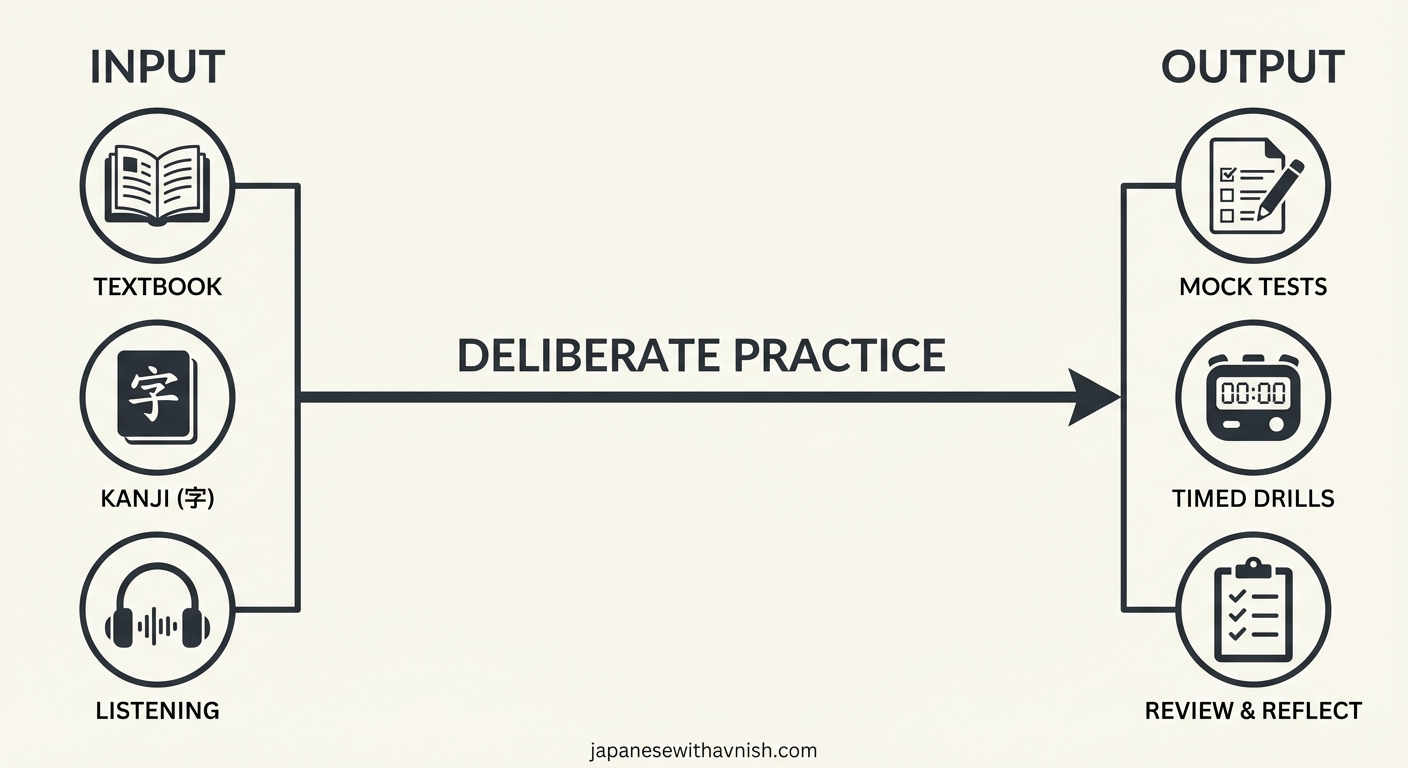 At the N2 level, a haphazard approach is the greatest obstacle to success. The key is systematic coverage and deliberate practice. Your study plan should move beyond simply learning what is on the test to understanding how to apply knowledge under timed conditions. This involves a balanced focus on input (learning new material from textbooks) and output (applying it in practice questions and mock tests). Think of your resources as tools in a toolkit: each book has a specific purpose, and using them in the correct sequence maximizes efficiency. A foundational resource can provide this integrated structure. For a meticulously organized system that combines grammar, vocabulary, kanji, and practice, consider exploring our Japanese N2 Pro Bundle, designed to streamline this process.
Core Kanji Mastery: Building Your Character Foundation
N2 requires knowledge of approximately 1000 kanji (bringing your total to around 1200). Mastery here is non-negotiable, as it directly impacts reading speed and vocabulary recognition.
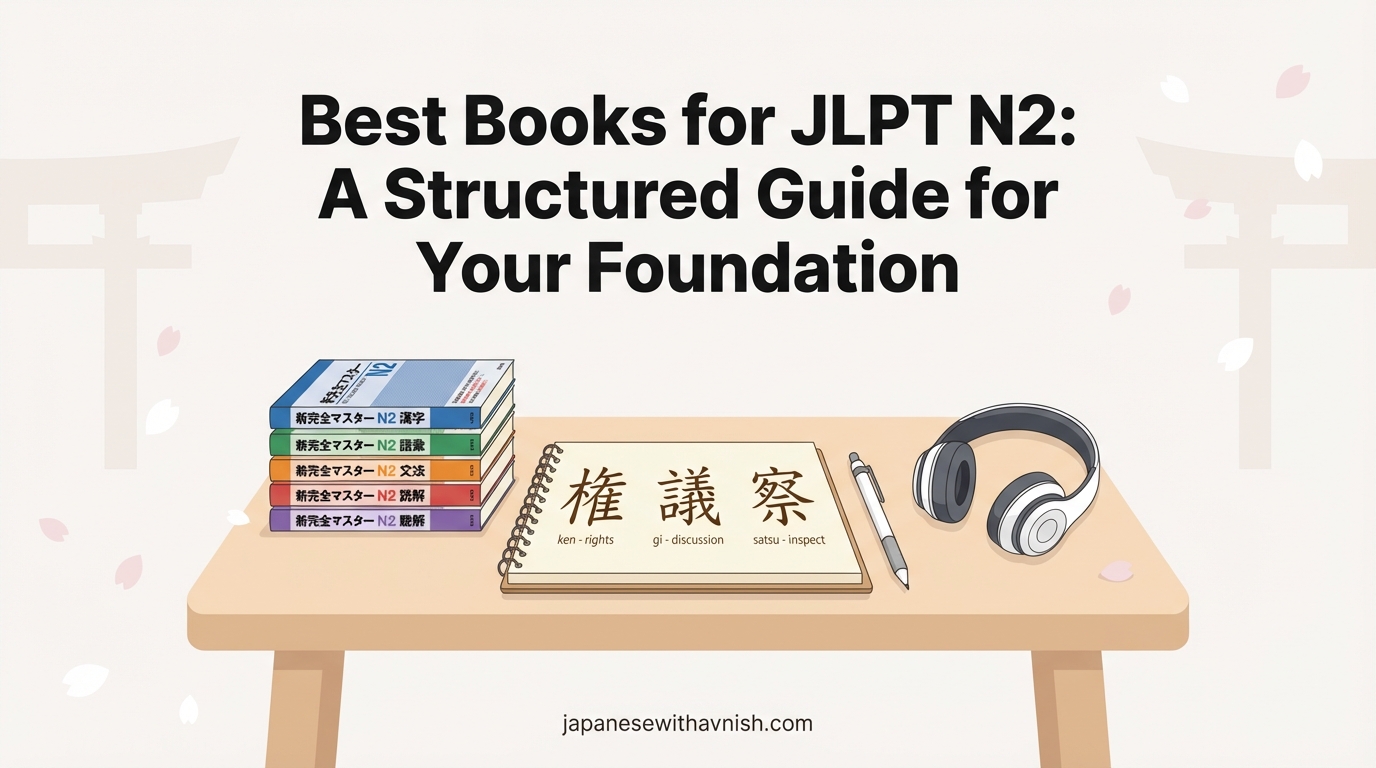
Recommended Resource: Shin Kanzen Master N2: Kanji This book is exceptional for its logical grouping of kanji by theme or radical, moving away from the JLPT list order. This contextual learning aids memory. Each chapter introduces kanji, provides compound words (熟語), and includes exercises that mimic the exam format.
- Example Study Approach: Learn 10-15 kanji per day. For each kanji, write it repeatedly, note its core meaning(s), and study 2-3 common compounds. For instance, for 権 (ken, right, authority), learn 権利 (kenri, rights), 権力 (kenryoku, power), and 人権 (jinken, human rights).
- Supplementary Practice: Use the companion workbook exercises daily to reinforce recognition and usage in context.
Grammar in Depth: Moving Beyond Pattern Recognition
N2 grammar involves complex sentence connectors, formal expressions, and nuanced patterns that convey subtle attitudes (e.g., conjecture, obligation, regret). Simple memorization of formula is insufficient.
Recommended Resource: Shin Kanzen Master N2: Grammar This book is the gold standard. It groups similar grammatical points together, allowing you to compare and contrast subtle differences. The explanations in Japanese (with English translation) are precise, and the practice questions are challenging and exam-accurate.
- Example Study Method: Study one chapter per week. Read the explanation, create your own example sentences, and complete all exercises. Pay close attention to the difference between patterns like:
- ~に違いない (~ni chigainai): "It must be..." (strong conviction based on evidence).
- 彼は知っているに違いない。 (Kare wa shitte iru ni chigainai.) - He must know.
- ~に相違ない (~ni sōi nai): "It is undoubtedly..." (more formal/written language).
- この結果は努力の賜物に相違ない。 (Kono kekka wa doryoku no tamamono ni sōi nai.) - This result is undoubtedly a product of hard work.
- ~に違いない (~ni chigainai): "It must be..." (strong conviction based on evidence).
Comprehensive Vocabulary Acquisition
N2 vocabulary includes a large number of abstract nouns, formal verbs, and idiomatic expressions (慣用句). You must be able to distinguish between words with similar meanings.
Recommended Resource: Nihongo So-Matome N2: Vocabulary This book's 6-week structure is excellent for building daily habits. It presents words in thematic groups, which aids memory. While Shin Kanzen Master is more rigorous, So-Matome is highly accessible for building a broad base.
- Example Study Technique: Follow the 6-week schedule. Use flashcards (digital like Anki or physical) for spaced repetition. Focus not just on the word's meaning, but its typical collocations. For example, learn 実施する (jisshi suru, to implement) and note it often pairs with 計画 (keikaku, plan) or 政策 (seisaku, policy).
Sharpening Reading Comprehension Skills
N2 reading passages are longer and cover a variety of genres: editorials, essays, business documents, and comparative texts. The challenge is speed, accuracy, and understanding logical flow.
Recommended Resource: Shin Kanzen Master N2: Reading This book is indispensable. It breaks down reading skills strategically, teaching you how to identify main ideas, understand referents (これ、それ), and follow author logic. The passages and question styles are perfectly aligned with the exam.
- Practice Strategy: Don't just answer questions. After completing a passage, analyze why the correct answer is correct. Summarize each paragraph in one sentence in Japanese to ensure you've grasped the core argument.
Honing Listening Comprehension Abilities
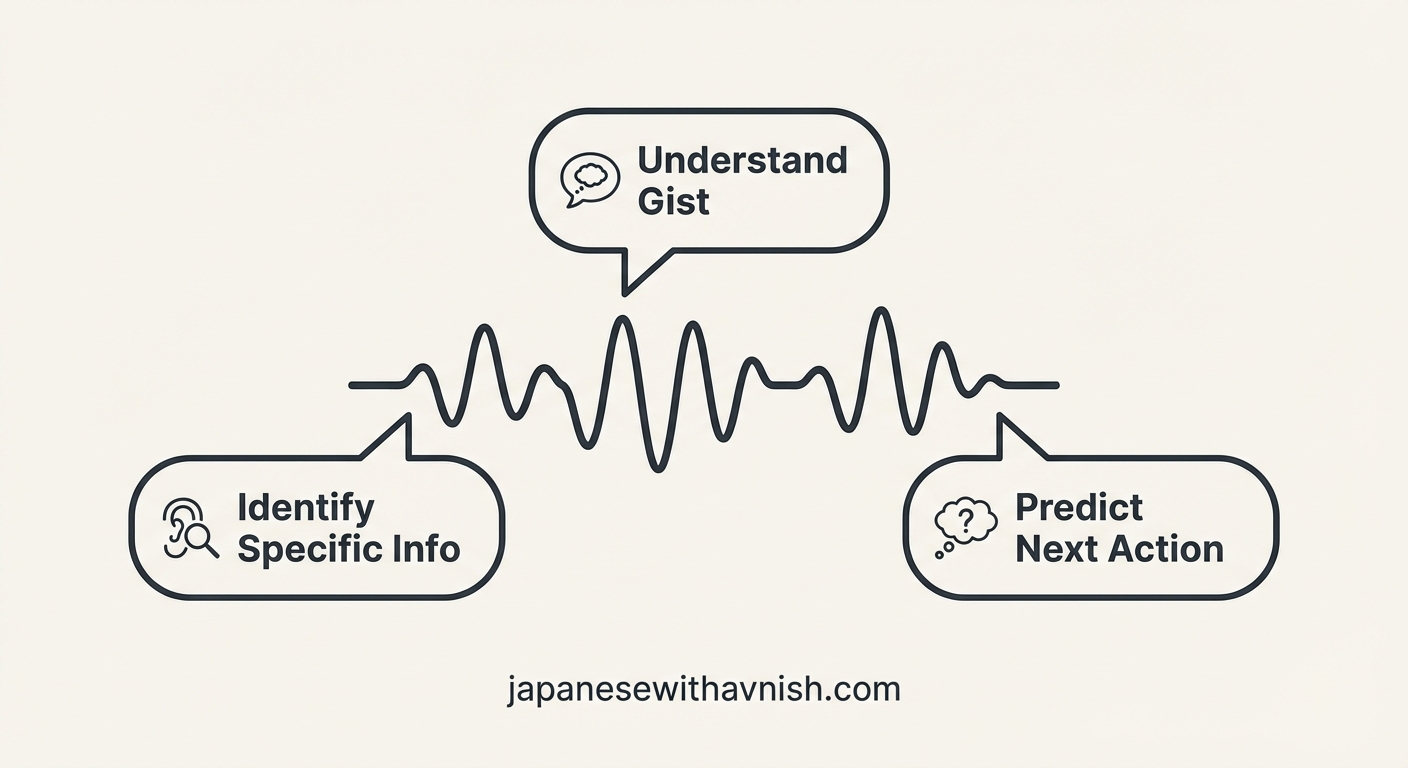 The N2 listening section tests your ability to comprehend rapid, natural dialogues and monologues on everyday and some abstract topics. It includes quick response questions and integrated comprehension.
Recommended Resource: Shin Kanzen Master N2: Listening This book comes with high-quality audio. It trains you to listen for specific information, understand the gist, and identify speakers' opinions or next actions—exactly what the exam requires.
- Effective Practice: Listen to each track multiple times. First, listen without the script for comprehension. Second, listen while reading the script to catch missed words. Third, listen again without the script. Mimic the shadowing technique by repeating phrases aloud to improve pronunciation and rhythm.
Integrating Practice Tests and Mock Exams
In the final 2-3 months of study, your primary focus must shift to full-length practice tests. This builds stamina, reveals weak points, and familiarizes you with the exam's timing and pressure.
Recommended Resource: Official JLPT Practice Workbook or Shin Kanzen Master N2: Mock Tests The official workbook (available on the JLPT website) is the most authentic. Shin Kanzen Master mock tests are a very close second. Simulate real exam conditions: time yourself strictly, use only an HB pencil, and take no breaks.
- Post-Test Analysis: This is more important than the score. Categorize every mistake: Was it a knowledge gap (you didn't know the kanji)? A comprehension error (you misunderstood the passage)? Or a careless mistake? Target your subsequent review based on this analysis.
Creating Your Personal Study Schedule
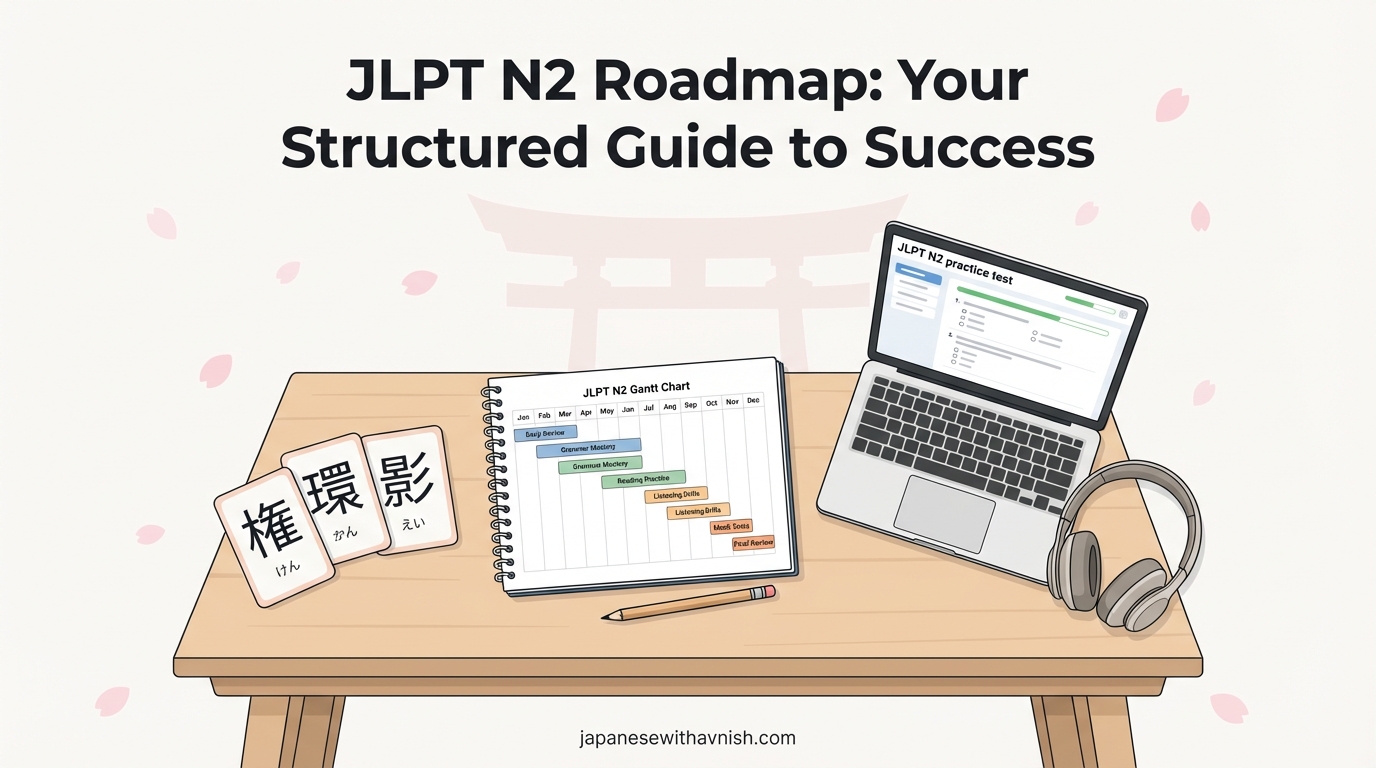
[IMAGE_3] A realistic, long-term schedule is your roadmap. A sample 6-month plan for a serious learner might look like this:
- Months 1-3 (Foundation Building): Rotate daily between Kanji (30 min), Grammar (45 min), and Vocabulary (30 min). Use weekends for a longer Reading (60 min) or Listening (45 min) session.
- Months 4-5 (Skill Integration): Continue daily kanji/vocab review. Shift focus to applying grammar through Reading and Listening practice books. Begin doing individual practice question sections under timed conditions.
- Month 6 (Exam Conditioning): Prioritize full-length mock exams every weekend. Spend weekdays intensely reviewing mistakes from the mock test and revisiting problematic areas in your core textbooks.
Consistency is paramount. One hour of study every day is vastly superior to seven hours on one day. Your chosen resources should form a cohesive ecosystem. For learners seeking an integrated, step-by-step program that encompasses all these elements—from foundational lessons to final mock tests—our Japanese N2 Pro Bundle offers a structured path designed to build confidence and ensure comprehensive preparation.
Embarking on the JLPT N2 journey requires dedication, but with a structured guide and the right books, you are building more than just exam readiness; you are constructing a robust foundation for advanced Japanese communication. Approach your studies with calm focus, trust in your system, and your efforts will be reflected in your success.
Summary
Reaching the JLPT N2 level is a major step toward professional and academic Japanese, but its demands for new kanji, complex grammar, and advanced vocabulary can be daunting. Success requires a structured, systematic study plan that moves beyond simple memorization to the application of knowledge under exam conditions. This guide provides a clear framework for selecting and using the best resources to build a solid foundation. A strategic approach begins with core mastery of the approximately 1,000 kanji required for N2. The *Shin Kanzen Master N2: Kanji* book is highly recommended for its thematic grouping, which aids contextual learning through example compounds and targeted exercises. For grammar, where nuanced patterns and formal expressions are critical, *Shin Kanzen Master N2: Grammar* is essential. It allows for comparing similar structures and emphasizes creating original example sentences to move beyond rote memorization. Vocabulary acquisition benefits from a resource like *Nihongo So-Matome N2: Vocabulary*, which uses a thematic, six-week schedule to build daily habits. For reading comprehension, *Shin Kanzen Master N2: Reading* trains critical skills like identifying main ideas and logical flow through diverse passages. Similarly, *Shin Kanzen Master N2: Listening*, with its high-quality audio, is vital for honing the ability to understand rapid, natural dialogues. Integrating full-length practice tests, such as the *Official JLPT Practice Workbook*, in the final months is crucial for building exam stamina and identifying weaknesses. A sustainable six-month study schedule should progress from daily foundational work in kanji, grammar, and vocabulary to integrated skill practice, culminating in a period focused on mock exams and targeted review. Consistency is key, and using resources as a cohesive system transforms this challenging journey into a manageable and rewarding pursuit of advanced proficiency.
What should you do next?
Recommended next reads
JLPT N2 75-Day Study Plan: Day-by-Day Guide
Ace the JLPT N2 with our detailed 75-day study plan! Get a structured, day-by-day guide to conquer grammar, vocabulary, reading, and listening.
JLPT N2 Roadmap: Your Structured Guide to Success
Master the JLPT N2 with our structured 12-month guide. Learn effective strategies for vocabulary, grammar, reading, and listening to achieve success.
Comments
Add a comment
Recommended bundles for you
Structured study materials to accelerate your JLPT journey.