JLPT N1 90-Day Study Plan: A Day-by-Day Guide
JLPT N1 90-Day Study Plan: Day-by-Day Guide
Preparing for the JLPT N1 exam can feel like scaling a formidable mountain. The sheer volume of kanji, vocabulary, grammar, and listening comprehension required can be overwhelming. However, with a structured and well-planned approach, this challenge becomes manageable and achievable. This 90-day study plan offers a day-by-day guide to help you conquer the JLPT N1, providing a clear path to success. Remember, consistency and focused effort are your greatest allies in this journey. Let's begin.
Table of Contents
- Understanding the JLPT N1 Exam Structure
- Phase 1: Foundation Building (Weeks 1-4)
- Phase 2: Intensive Practice (Weeks 5-8)
- Phase 3: Refinement and Mock Tests (Weeks 9-12)
- Daily Study Schedule
- Recommended Resources
- Maintaining Motivation and Avoiding Burnout
- Final Tips and Strategies
Understanding the JLPT N1 Exam Structure
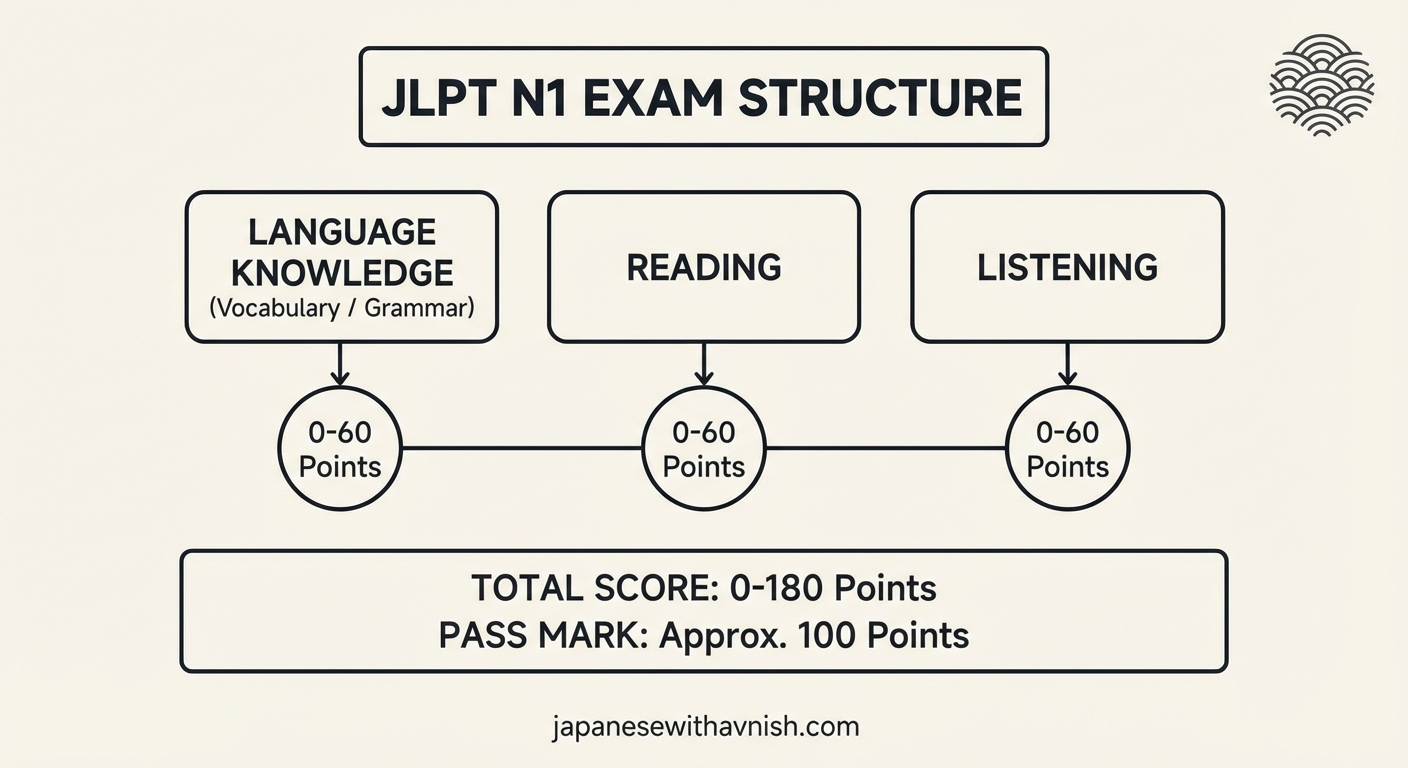
Before diving into the study plan, it's crucial to understand the structure of the JLPT N1 exam. The exam is divided into two main sections:
- Language Knowledge (Vocabulary/Grammar) and Reading: This section tests your knowledge of Japanese vocabulary, grammar, and your ability to read and understand complex texts.
- Listening: This section assesses your ability to understand spoken Japanese in various contexts.
Each section is scored out of 60 points, with a total possible score of 180. A passing score is typically around 100 points, but there are also minimum scores required for each section. Familiarize yourself with the scoring system and the time allotted for each section to strategize your approach.
Phase 1: Foundation Building (Weeks 1-4)
This phase focuses on solidifying your foundation in vocabulary, grammar, and kanji. Aim for consistent, focused study sessions each day.
- Vocabulary:
- Daily Goal: Learn 20-30 new words per day. Use flashcards (physical or digital) for spaced repetition. Focus on understanding the nuances of each word and its usage in context.
- Example:
- 脆弱 (ぜいじゃく): fragile, weak
- 一概に (いちがいに): unconditionally, as a rule
- 画期的 (かっきてき): epoch-making, groundbreaking
- Resource: Use vocabulary lists specifically designed for JLPT N1 preparation. Many are available online or in textbooks.
- Grammar:
- Daily Goal: Review 2-3 grammar points per day. Focus on understanding the meaning and usage of each grammar point. Practice constructing sentences using the grammar points.
- Example:
- ~を余儀なくされる (~をよぎなくされる): to be forced to do~
- 例文: 会社は経営難のため、人員削減を余儀なくされた。(Due to financial difficulties, the company was forced to reduce staff.)
- ~べくもない: there is no way that~
- 例文: 今日の状況では、成功すべくもない。(Given today's circumstances, there's no way we can succeed.)
- ~を余儀なくされる (~をよぎなくされる): to be forced to do~
- Resource: Refer to grammar textbooks or online resources that specifically cover JLPT N1 grammar points. Practice exercises are essential.
- Kanji:
- Daily Goal: Review 10-15 kanji per day. Focus on the meaning, reading (音読み and 訓読み), and writing of each kanji. Use mnemonics or other memory aids to help you remember the kanji.
- Example:
- 頻 (ひん): frequency
- 繁 (はん): frequent, complicated
- 繊 (せん): delicate, slender
- Resource: Use kanji textbooks or online resources that are specifically designed for JLPT N1 preparation. Practice writing the kanji repeatedly.
Phase 2: Intensive Practice (Weeks 5-8)
This phase focuses on applying your knowledge through practice exercises and mock tests. Simulate exam conditions to build your speed and accuracy.
- Reading Comprehension:
- Daily Goal: Read 1-2 articles or essays in Japanese. Focus on understanding the main idea, supporting details, and the author's point of view. Practice answering comprehension questions.
- Resource: Use Japanese newspapers, magazines, or online articles. Focus on topics that are commonly found on the JLPT N1 exam, such as current events, technology, and social issues.
- Listening Comprehension:
- Daily Goal: Listen to 2-3 audio clips or podcasts in Japanese. Focus on understanding the main idea, supporting details, and the speaker's tone. Practice answering comprehension questions.
- Resource: Use Japanese podcasts, radio programs, or news broadcasts. Focus on topics that are commonly found on the JLPT N1 exam, such as interviews, lectures, and discussions.
- Practice Tests:
- Weekly Goal: Take 1-2 practice tests per week. Simulate exam conditions as closely as possible. Review your answers carefully and identify areas where you need to improve.
- Resource: Use official JLPT practice tests or commercially available practice tests. Focus on understanding why you got the answers wrong and how to avoid making the same mistakes in the future.
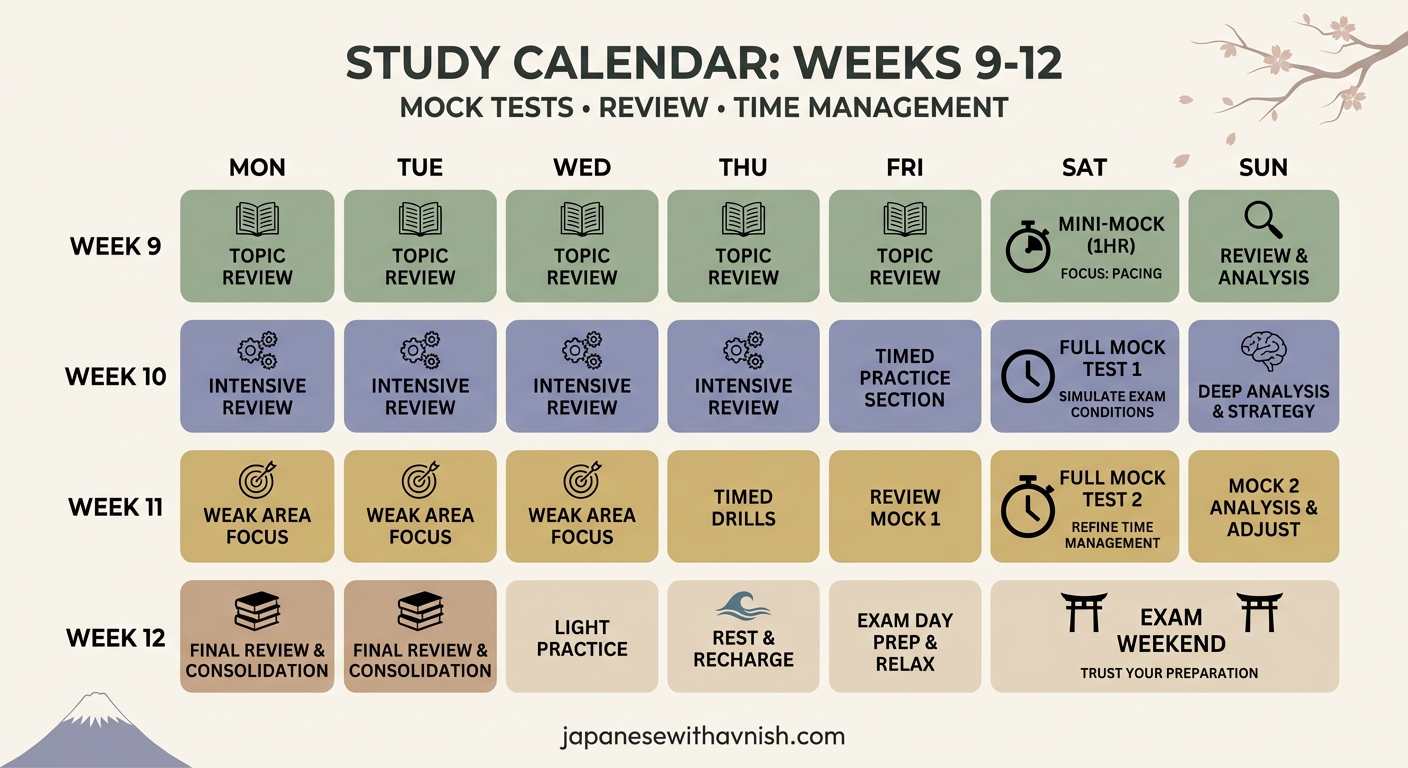
Phase 3: Refinement and Mock Tests (Weeks 9-12)
This phase focuses on refining your skills and building your confidence. Take mock tests under timed conditions to simulate the actual exam experience.
- Mock Tests:
- Weekly Goal: Take 2-3 mock tests per week. Simulate exam conditions as closely as possible. Review your answers carefully and identify areas where you need to improve.
- Strategy: Analyze your performance on each mock test. Identify your strengths and weaknesses. Focus on improving your weaknesses and maintaining your strengths.
- Review:
- Daily Goal: Review vocabulary, grammar, and kanji that you have previously studied. Focus on areas where you are still struggling. Use flashcards, textbooks, and online resources to reinforce your knowledge.
- Strategy: Focus on the areas where you are still struggling. Use flashcards, textbooks, and online resources to reinforce your knowledge. Consider seeking help from a tutor or language partner.
- Time Management:
- Daily Goal: Practice time management techniques. Learn how to allocate your time effectively during the exam. Practice answering questions quickly and accurately.
- Strategy: Use a timer to track your time during practice tests. Learn how to prioritize questions and manage your time effectively. Consider skipping difficult questions and returning to them later.
Daily Study Schedule
Here's a sample daily study schedule to guide you. Adjust it to fit your personal needs and preferences.
- Morning (2 hours):
- Vocabulary and Kanji Review (1 hour)
- Grammar Review (1 hour)
- Afternoon (2 hours):
- Reading Comprehension Practice (1 hour)
- Listening Comprehension Practice (1 hour)
- Evening (1 hour):
- Practice Exercises or Mock Test Review (1 hour)
Recommended Resources
- Textbooks:
- Shin Kanzen Master N1 Series
- Try! N1 Grammar
- Nihongo So-matome N1 Series
- Online Resources:
- JapanesewithAvnish.com (of course!)
- JLPT Official Website
- Memrise/Anki for vocabulary
Consider exploring our N1 Elite Bundle for a comprehensive and structured approach to your JLPT N1 preparation.
Maintaining Motivation and Avoiding Burnout
Studying for the JLPT N1 can be a demanding process. It's essential to take care of your mental and physical health to avoid burnout.
- Take Breaks: Schedule regular breaks during your study sessions. Get up and walk around, stretch, or do something that you enjoy.
- Get Enough Sleep: Aim for 7-8 hours of sleep per night. Sleep deprivation can impair your cognitive function and make it harder to concentrate.
- Eat Healthy: Eat a balanced diet that is rich in fruits, vegetables, and whole grains. Avoid processed foods and sugary drinks.
- Exercise Regularly: Exercise can help to reduce stress and improve your mood. Aim for at least 30 minutes of exercise per day.
- Find a Study Partner: Studying with a partner can help you stay motivated and accountable. You can also quiz each other and provide support.
- Reward Yourself: Celebrate your accomplishments along the way. Reward yourself for reaching milestones or completing challenging tasks.
Final Tips and Strategies
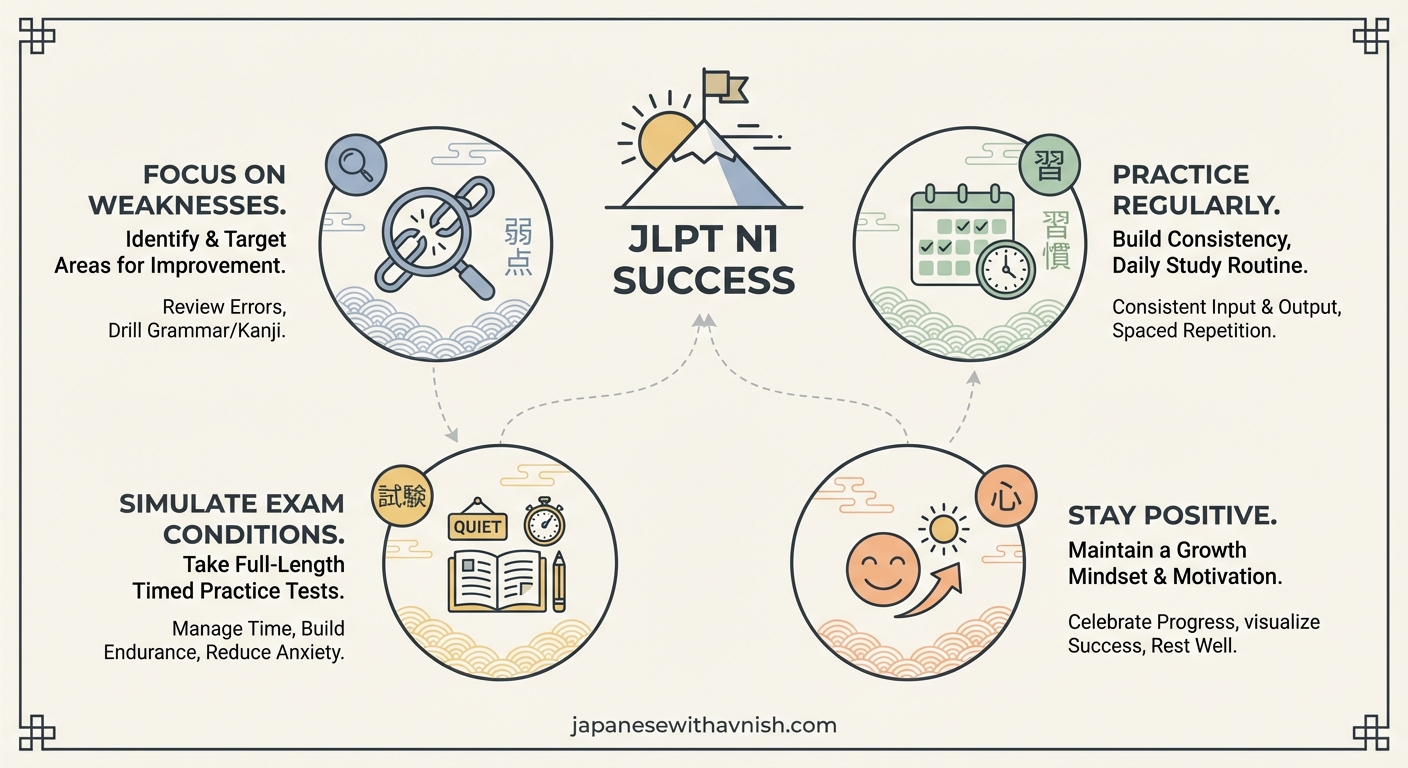
- Focus on your weaknesses: Identify your weaknesses and focus on improving them. Don't be afraid to ask for help from a tutor or language partner.
- Practice regularly: The more you practice, the better you will become. Aim to study every day, even if it's just for a short period of time.
- Simulate exam conditions: When taking practice tests, simulate exam conditions as closely as possible. This will help you to get used to the pressure of the exam.
- Stay positive: Believe in yourself and your ability to succeed. Stay positive and don't give up, even when things get tough.
By following this 90-day study plan and staying committed to your goals, you can significantly increase your chances of success on the JLPT N1 exam. Good luck!
For a structured and comprehensive study system that includes grammar lessons, vocabulary drills, practice tests, and audio exercises, explore our N1 Elite Bundle. It's designed to give you the edge you need to succeed.
Summary
A detailed 90-day study plan for the JLPT N1 exam. Includes daily goals, study schedules, and resources to help you pass the N1.
What should you do next?
Recommended next reads

JLPT N1 Roadmap: Your Structured Guide to Success
A structured, step-by-step guide to mastering the JLPT N1 exam. Covers study phases, resource recommendations, and strategies for vocabulary, grammar, reading, and listening.

Best Books for JLPT N1: A Structured Guide for Your Foundation
A calm, structured guide to the best textbooks and resources for JLPT N1 preparation. Build a solid foundation with our four-pillar framework for grammar, vocabulary, reading, and listening.
Comments
Add a comment
Recommended bundles for you
Structured study materials to accelerate your JLPT journey.