Hiragana か-row (K-sounds)
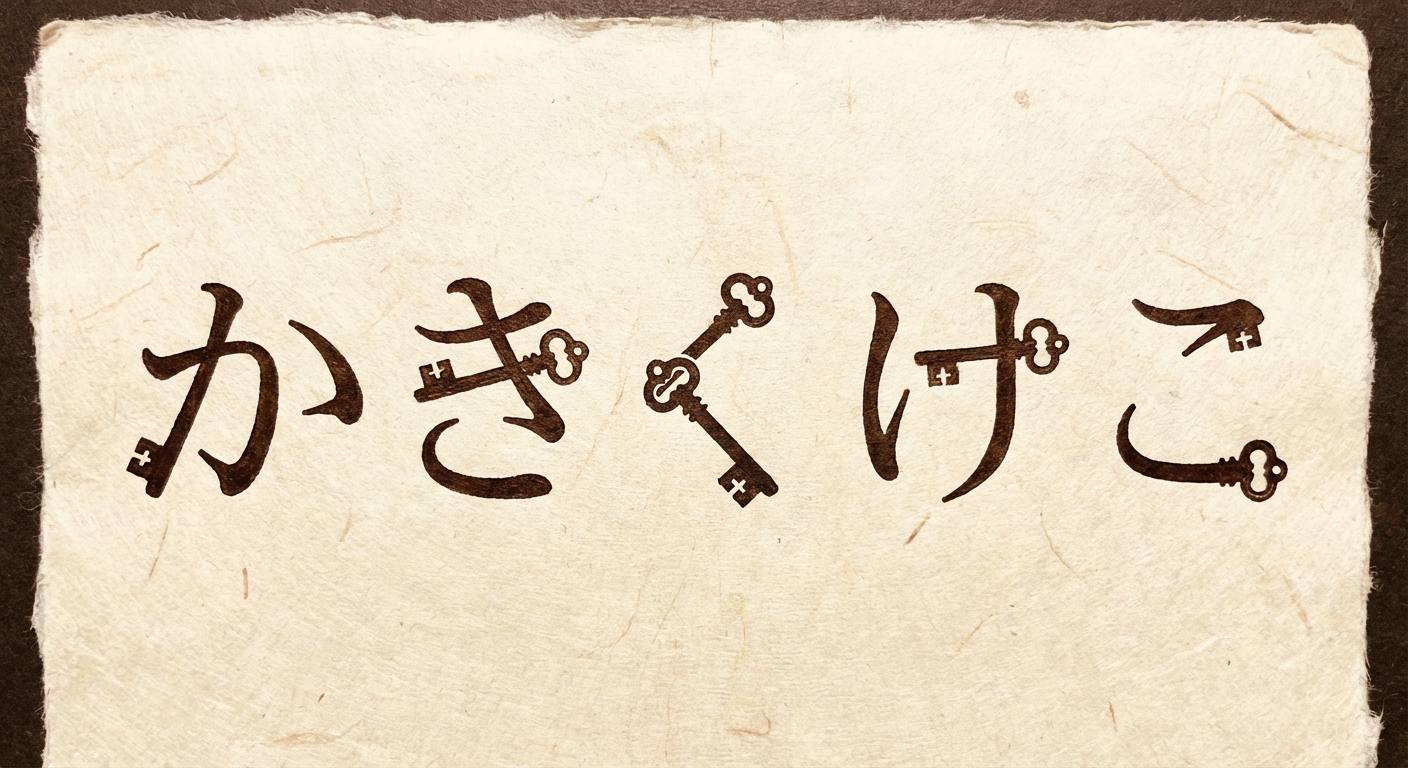
Characters
| Hiragana | Katakana | Romaji | Meaning |
|---|---|---|---|
| か | カ | ka | mosquito |
| き | キ | ki | tree |
| く | ク | ku | mouth |
| け | ケ | ke | hair |
| こ | コ | ko | child |
Hiragana か-row (K-sounds)
Introduction
The か-row introduces the first set of consonant sounds in Hiragana, combining the 'k' consonant with the five core vowels. Mastering this row is a foundational step, as these sounds are extremely common in basic vocabulary and grammatical particles. The pronunciation is a clear, unaspirated 'k' sound, similar to the 'k' in "skate" rather than the aspirated 'k' in "kite."
The か-row Characters
| Hiragana | Romaji | Mnemonic (Optional) | Example Word |
|---|---|---|---|
| か | ka | A car with a sideways view mirror. | かさ(kasa) – umbrella |
| き | ki | A key with a long, curved handle. | きく(kiku) – to hear; chrysanthemum |
| く | ku | The beak of a cuckoo bird. | くつ(kutsu) – shoes |
| け | ke | The kelvin symbol on a thermometer. | けしき(keshiki) – scenery |
| こ | ko | Two coins stacked together. | こども(kodomo) – child |
Pronunciation Tips
- Mouth Position: For all sounds in this row, the back of your tongue should gently touch the soft palate (the roof of your mouth towards the back) to create the 'k' sound, before releasing into the vowel.
- Common Mistake: Avoid adding a strong puff of air (aspiration) after the 'k' sound. The Japanese 'k' is softer and more direct. Practice by whispering the sounds.
- Sound Consistency: Ensure the vowel sounds remain pure: "ah" for か, "ee" for き, "oo" for く, "eh" for け, and "oh" for こ.
Practice
Apply your knowledge by reading these simple words and phrases.
-
かき
- Romaji: kaki
- Meaning: oyster; persimmon (context-dependent)
-
けいこ
- Romaji: Keiko
- Meaning: (a common female given name); practice/training (as in おけいこ)
-
ここ
- Romaji: koko
- Meaning: here (this place)
What should you do next?
Recommended next lessons
Hiragana あ-row (Vowels)
Learn the five foundational vowel sounds of Japanese: あ, い, う, え, お.
Read →
Katakana ア-row (Vowels)
Learn the katakana vowel characters used primarily for foreign words.
Read →
Katakana カ-row (K-sounds)
Master the katakana 'k' consonant sounds for transcribing foreign vocabulary.
Read →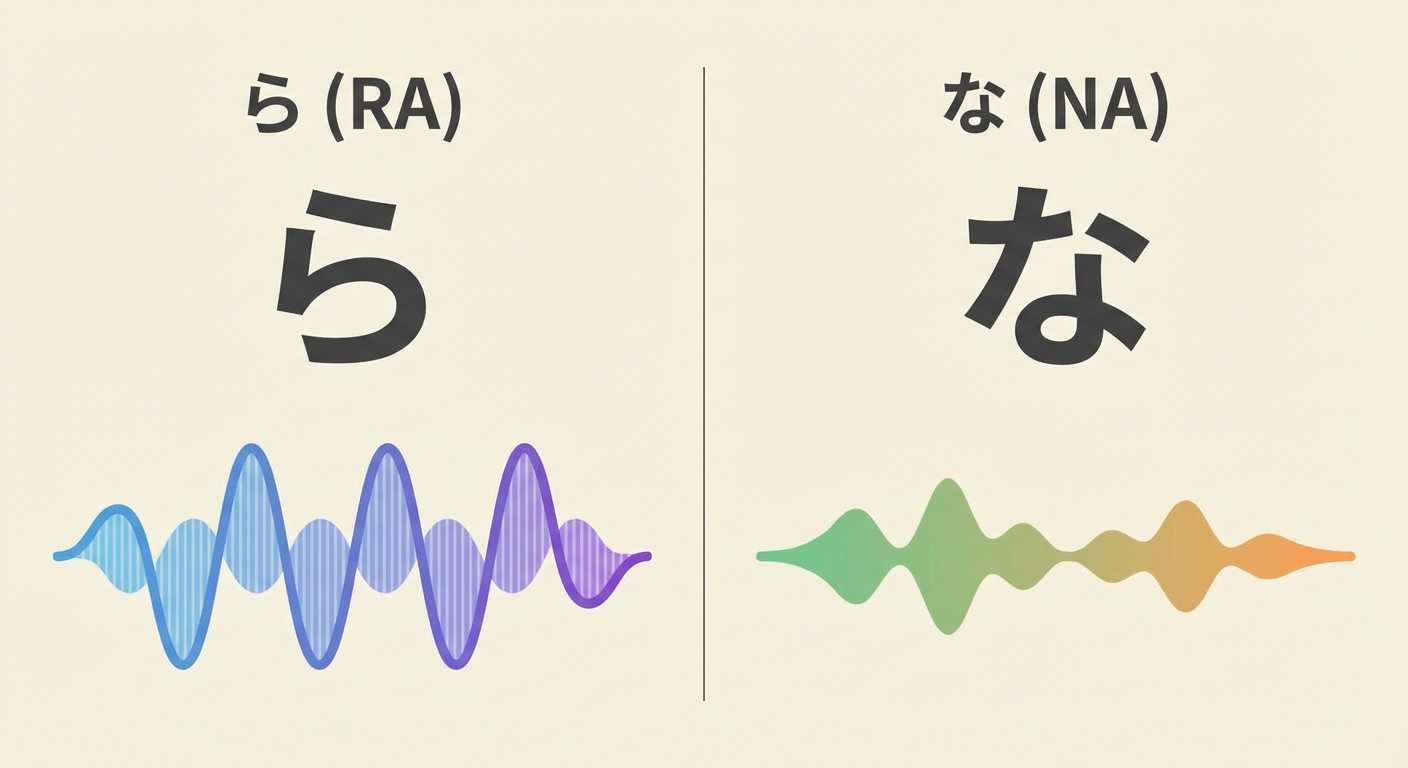
Minimal Pairs: ら vs. な (R vs. N)
Practice distinguishing and pronouncing the often-confused 'r' and 'n' sounds in Japanese.
Read →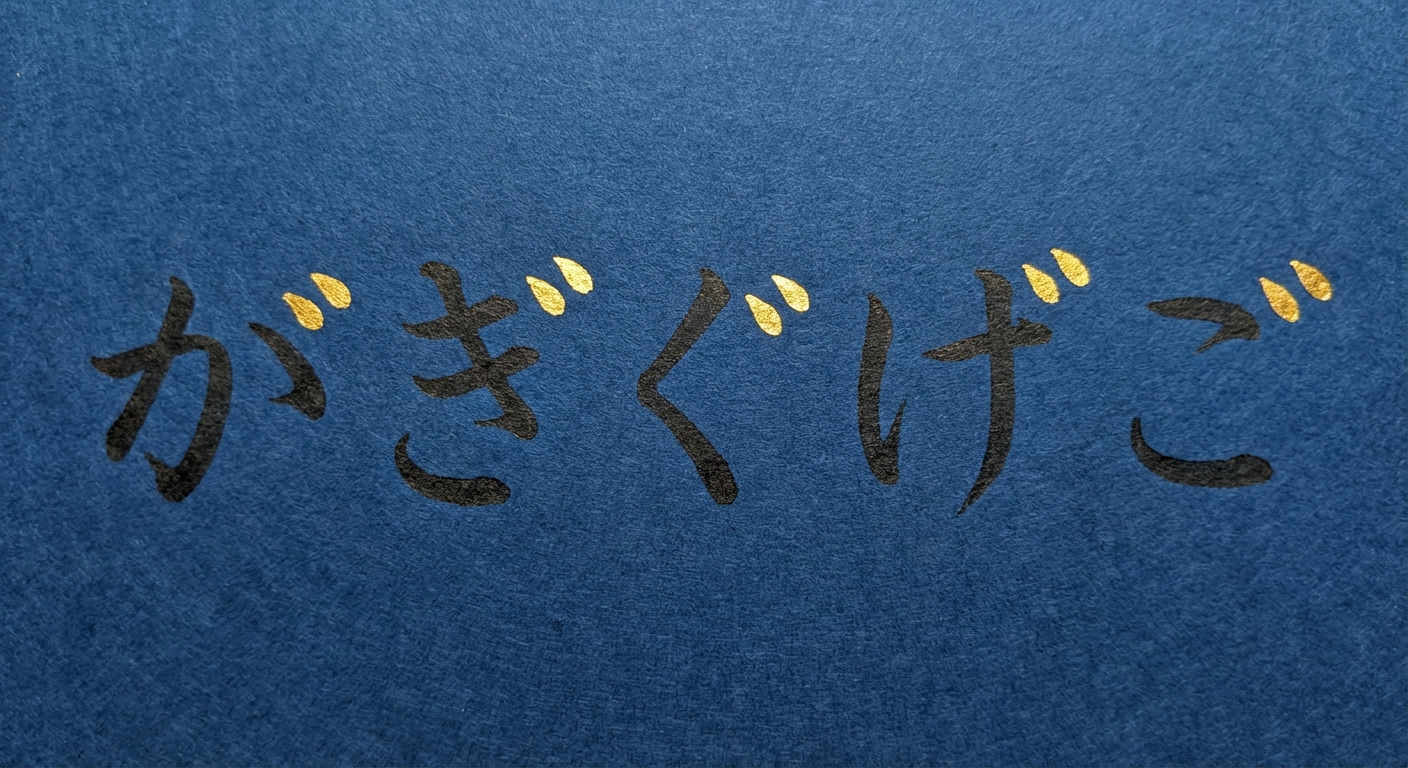
Voiced Sounds: が-row (G-sounds)
Learn the voiced counterpart to the か-row, marked by dakuten (゛).
Read →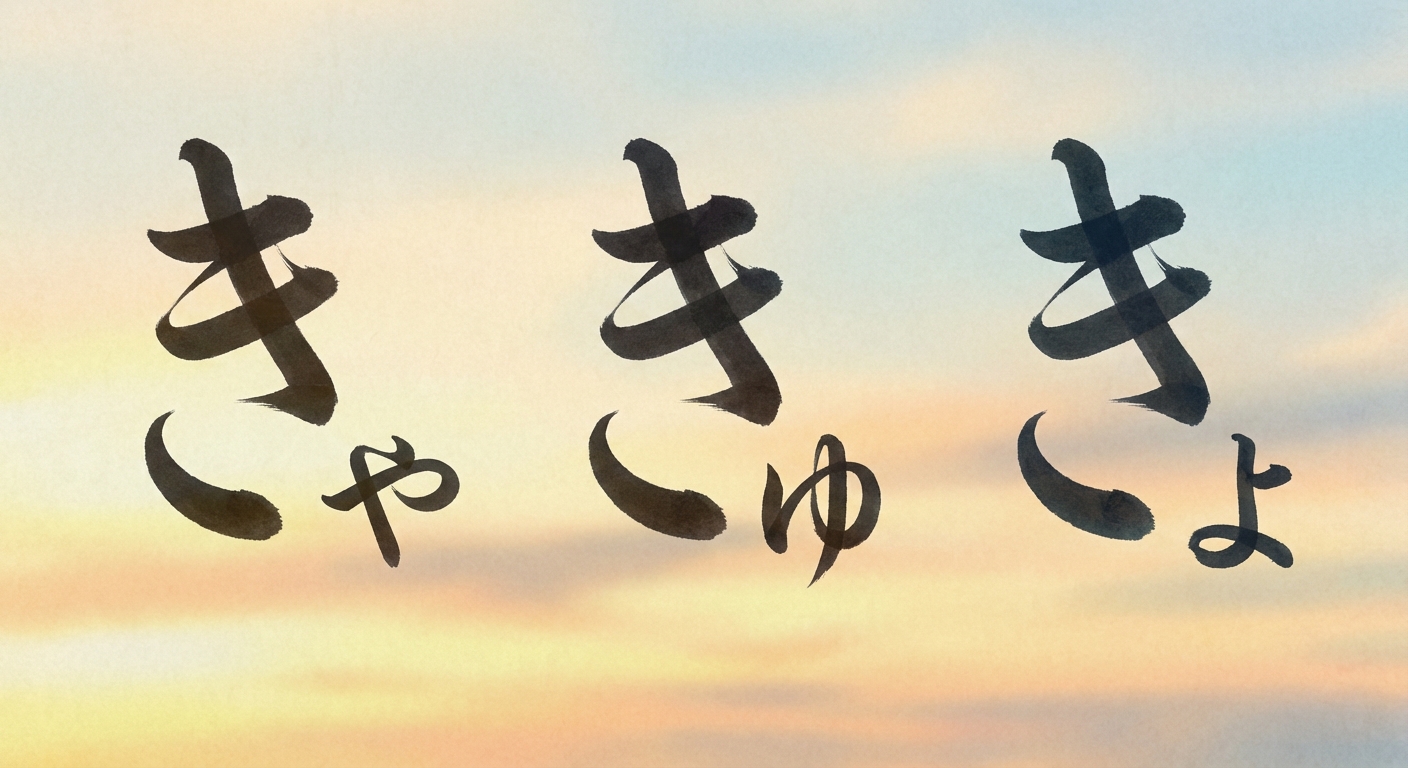
Combined Sounds: きゃ, きゅ, きょ
Master contracted sounds (yōon) starting with the 'k' consonant.
Read →Comments
Add a comment
Recommended bundles for you
Structured study materials to accelerate your JLPT journey.