
Reading
Browse reading content by JLPT level.
Not sure your level? Take the quiz →
Recommended lessons
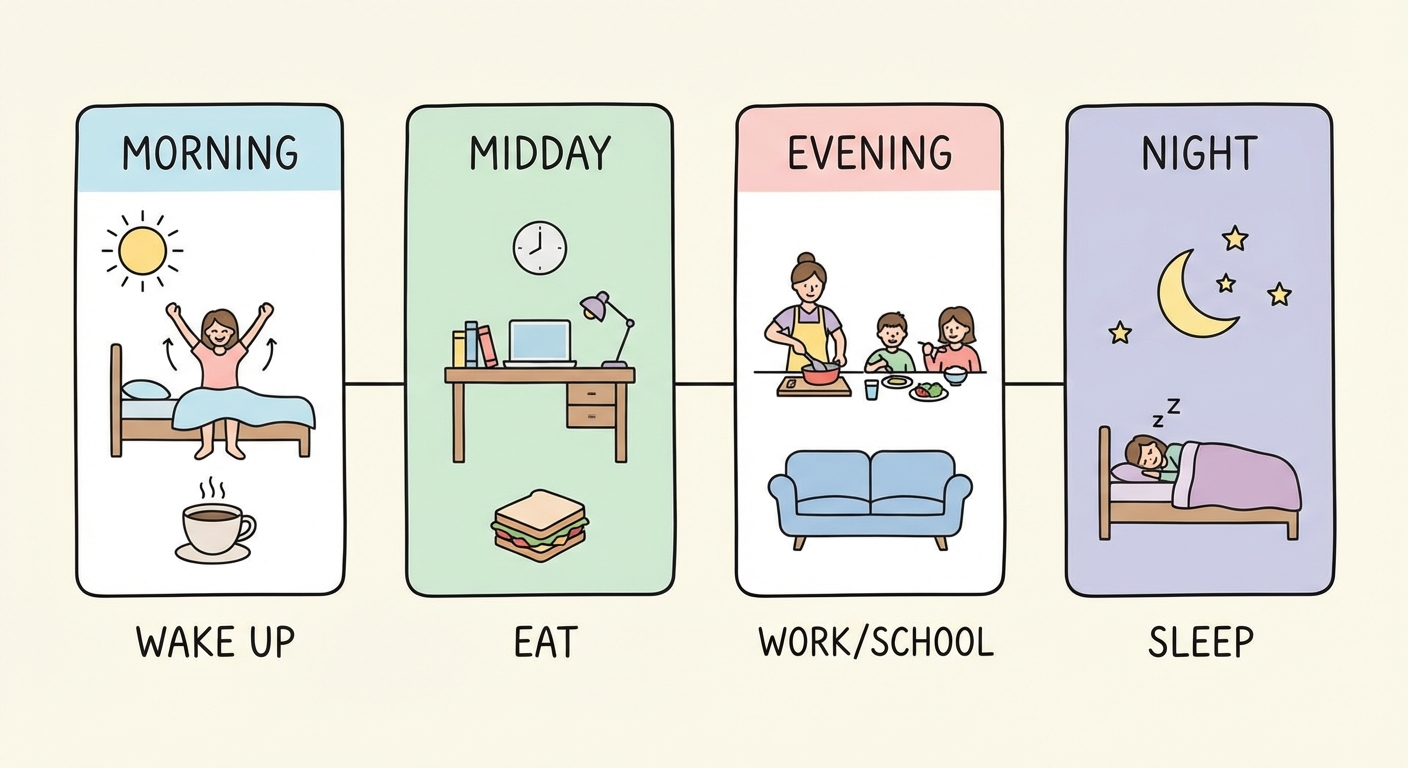
私の一日 (My Day)
A simple narrative about a typical daily routine, using basic time expressions and action verbs.
Read →Reading practice: The M, Y, R, W, and N rows (complete 46 Hiragana)
Reading practice for: The M, Y, R, W, and N rows (complete 46 Hiragana)
Read →Reading practice: Self-introduction
Reading practice for: Self-introduction
Read →Reading practice: Hiragana か-row
Reading practice for: Hiragana か-row
Read →Reading practice: The T, N, and H rows (and exceptions)
Reading practice for: The T, N, and H rows (and exceptions)
Read →Reading practice: Spatial locations (の, うえ, した, なか, そと, となり)
Reading practice for: Spatial locations (の, うえ, した, なか, そと, となり)
Read →Reading lessons
Reading practice: Hiragana あ-row
Reading practice for: Hiragana あ-row
Read →Reading practice: Hello and goodbye
Reading practice for: Hello and goodbye
Read →Reading practice: Days of the week and calendar
Reading practice for: Days of the week and calendar
Read →Reading practice: Conjugating adjectives (past, negative; いい→よい)
Reading practice for: Conjugating adjectives (past, negative; いい→よい)
Read →Reading practice: Asking questions (Ka, question words, Ko-So-A-Do)
Reading practice for: Asking questions (Ka, question words, Ko-So-A-Do)
Read →Reading practice: The First 15 Sounds (A, K, S rows)
Reading practice for: The First 15 Sounds (A, K, S rows)
Read →Reading practice: Telling time and daily actions
Reading practice for: Telling time and daily actions
Read →Reading practice: I-adjectives vs Na-adjectives
Reading practice for: I-adjectives vs Na-adjectives
Read →Reading practice: Building your first sentences
Reading practice for: Building your first sentences
Read →Reading practice: Arimasu vs Imasu, に and が
Reading practice for: Arimasu vs Imasu, に and が
Read →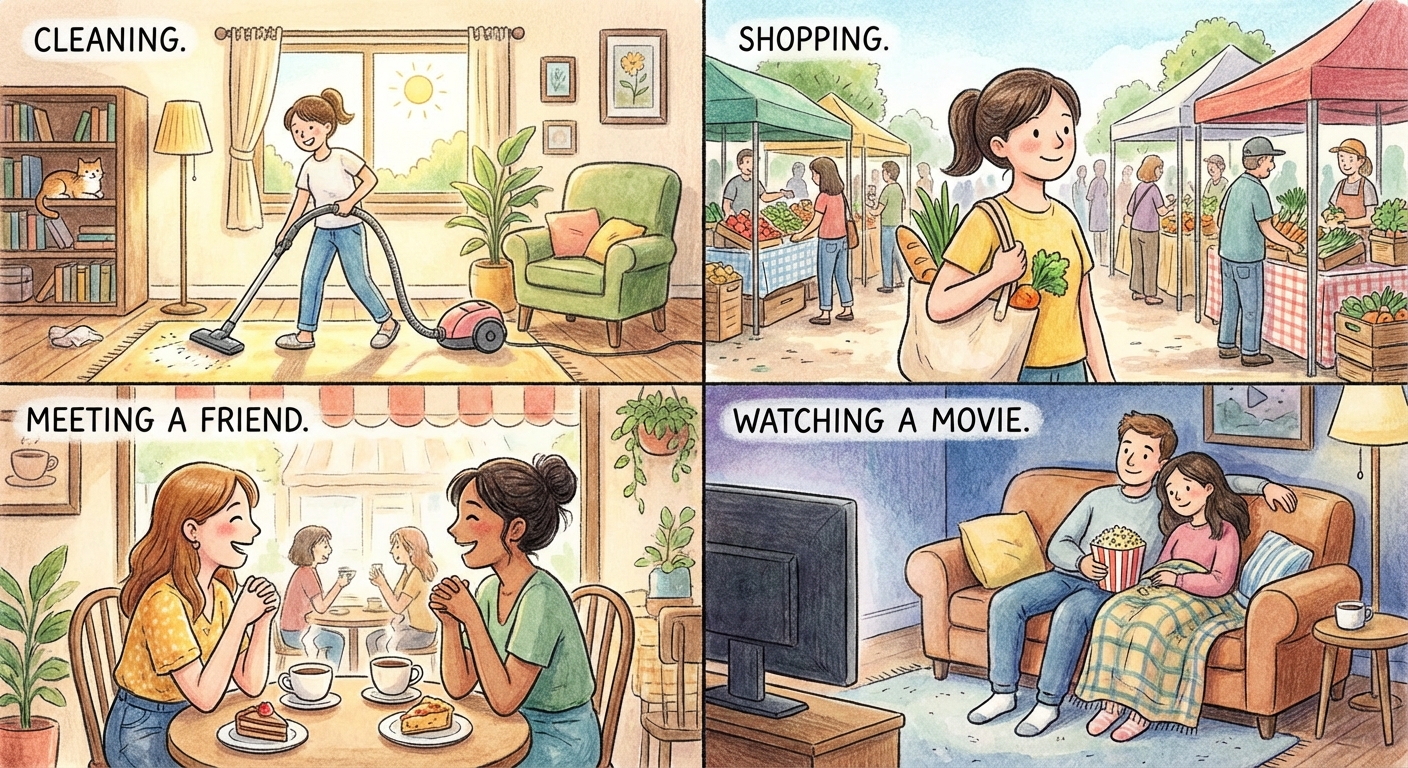
週末 (Weekend)
A short story about typical weekend activities, using past tense and common verbs for hobbies and chores.
Read →
私の好きな食べ物 (My Favorite Foods)
A passage about food preferences, using basic adjectives (好き, 美味しい) and common food vocabulary.
Read →Ready for structured N5 practice?
Get the full N5 materials (worksheets, vocab, grammar, mock tests).