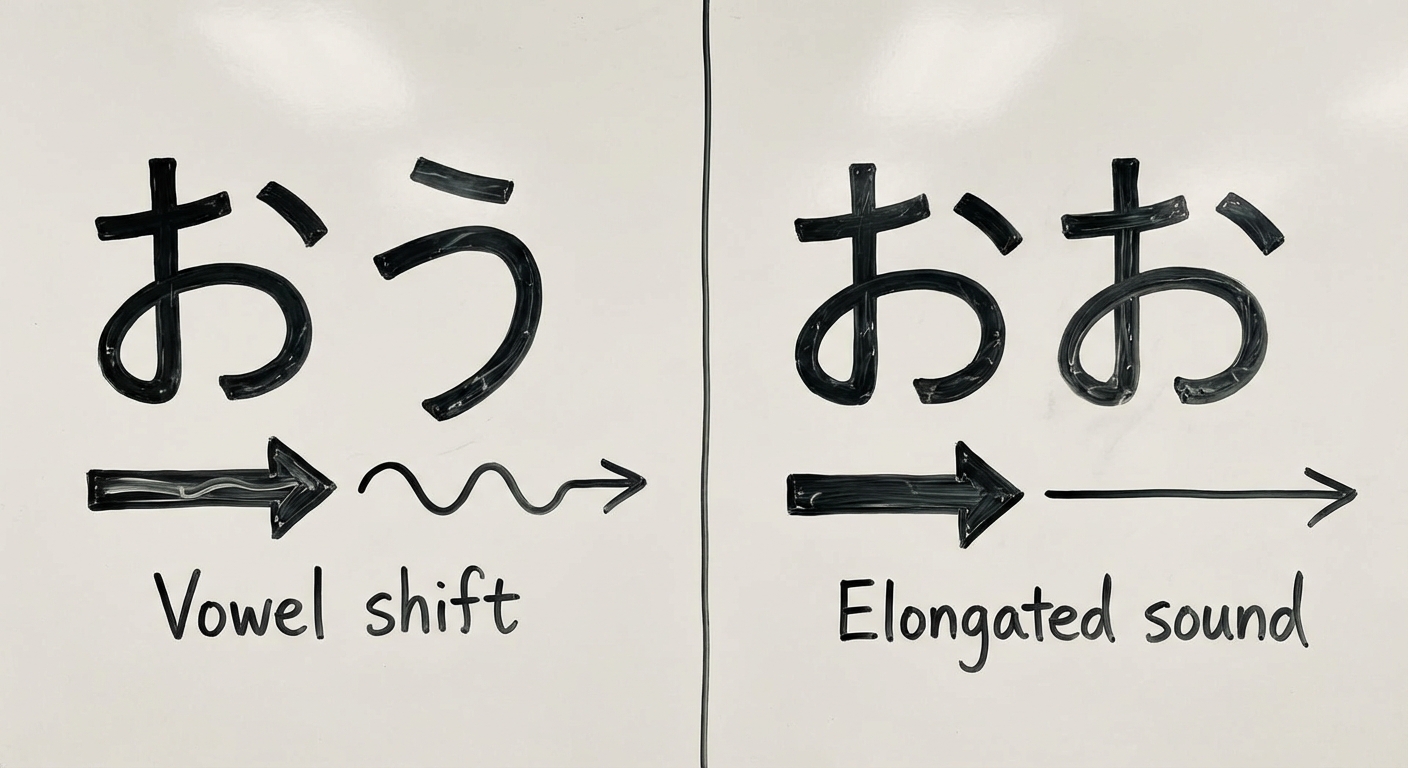
Long Vowels: おう vs. おお
Characters
| Hiragana | Katakana | Romaji | Meaning |
|---|---|---|---|
| おう | オウ | ō | to chase |
| おお | オオ | ō | big |
| こうこう | コウコウ | kōkō | high school |
| とおる | トオル | tōru | to pass through |
Long Vowels: おう vs. おお
Introduction
In Japanese, vowel sounds can be elongated, changing the meaning of a word. The elongated "o" sound is particularly important as it can be represented by two different kana combinations: おう and おお. Understanding the distinction is not about pronunciation—they sound identical—but about correct orthography. Using the wrong spelling is a common error for learners, as the elongated "o" sound is consistently held for approximately two beats.
Kana Representations for Elongated 'O'
The following table outlines the standard spellings for this sound. There is no pronunciation difference between the columns; the difference is purely in written form.
| Kana Combination | Romaji | Typical Usage Context | Example Word |
|---|---|---|---|
| おう | ō | Most common representation. Found in native Japanese words and Sino-Japanese words (語彙). | おとうさん(otōsan) - father |
| おお | ō | Less common. Primarily found in specific native Japanese words. | おおきい(ōkii) - big |
Pronunciation Guide
The elongated "o" sound is a continuous, sustained version of the single 'o' as in "orange."
- Mouth Position: Your lips should be slightly rounded and held in a stable position. The tongue is low in the mouth.
- Duration: Hold the sound for roughly twice the length of a short vowel. Think of it as the rhythmic difference between the musical notes "ta" and "ta-a."
- Key Point: Whether written as おう or おお, the pronunciation is a single, unbroken ō sound. Do not pronounce the "u" in おう as a separate "oo" sound; it simply signals the elongation of the preceding 'o'.
Common Mistakes to Avoid
- Pronouncing the 'U': A frequent error is pronouncing おう as "o-oo" (like in "cow"). This is incorrect. It should be a pure, long "o" as in "go" but held longer.
- Inconsistent Length: Shortening the vowel can change the word's meaning (e.g., ここ here vs. こうこう high school).
- Spelling Confusion: Memorizing which words use おう and which use おお is essential for accurate writing. When in doubt, おう is the safer, more frequent spelling.
Practice
Read the following words aloud, focusing on maintaining the elongated "o" sound for the correct duration.
-
こうこう (kōkō)
- Meaning: high school
- (Note: Uses おう)
-
とおる (tōru)
- Meaning: to pass through
- (Note: Uses おお)
-
おはよう (ohayō)
- Meaning: good morning
- (Note: Uses おう. The final 'う' elongates the 'yo' sound.)
What should you do next?
Recommended next lessons
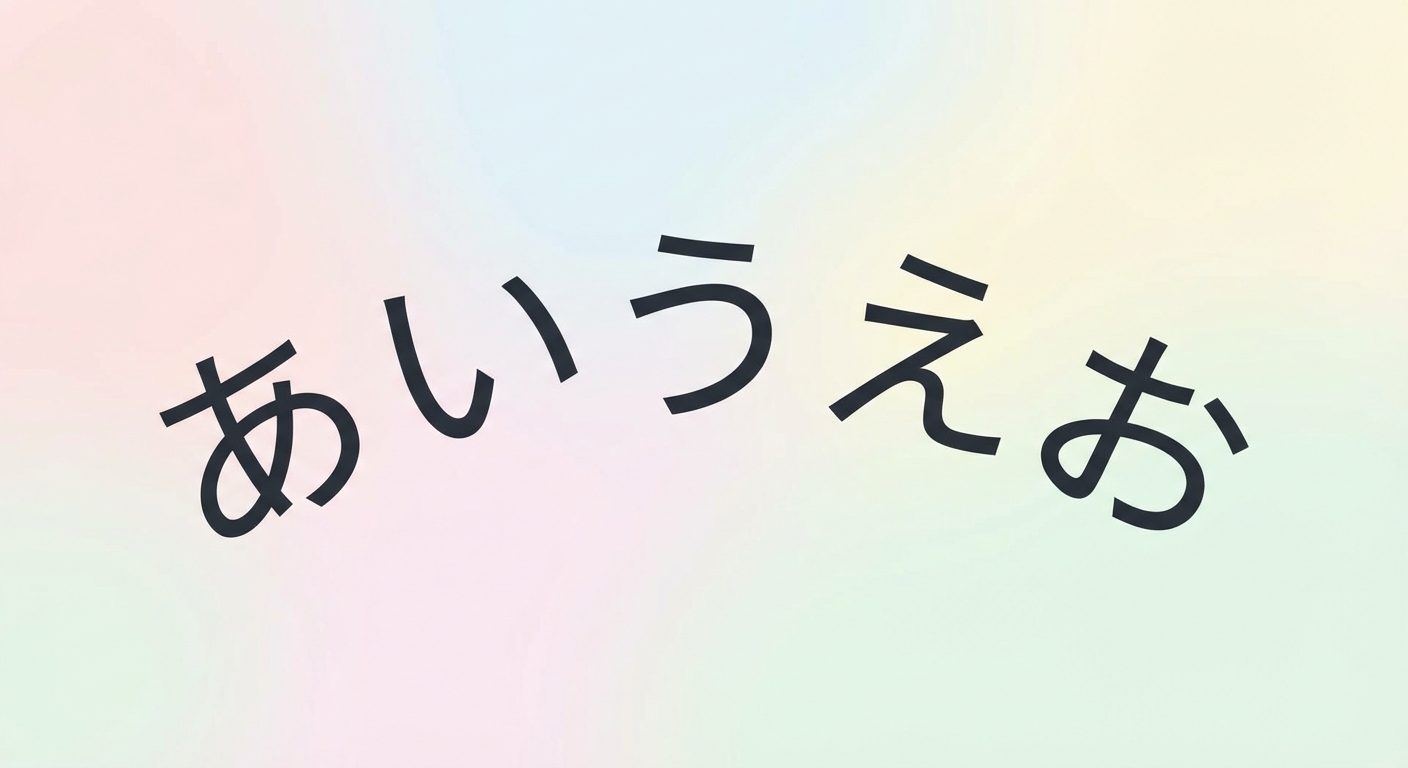
Hiragana あ-row (Vowels)
Learn the five foundational vowel sounds of Japanese: あ, い, う, え, お.
Read →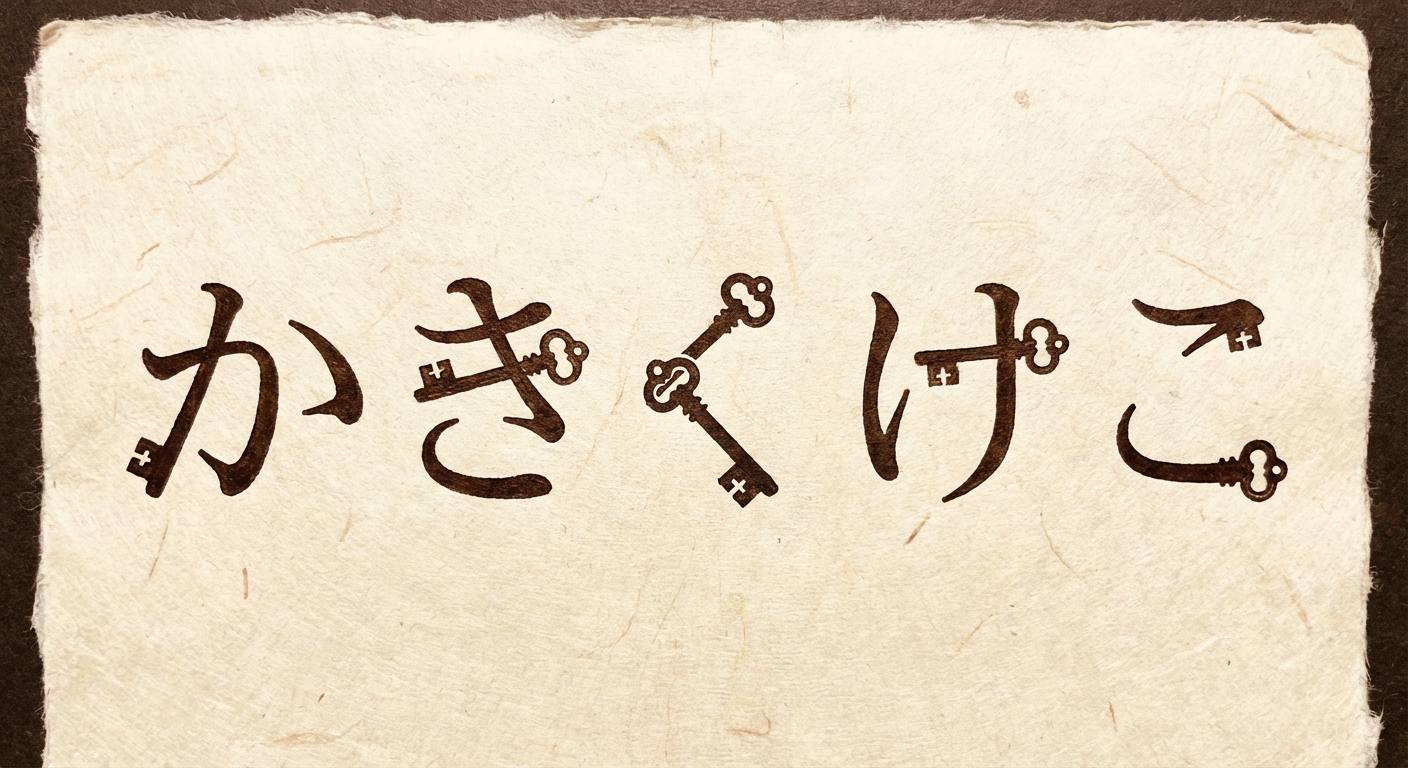
Hiragana か-row (K-sounds)
Master the 'k' consonant sounds combined with the five vowels.
Read →
Katakana ア-row (Vowels)
Learn the katakana vowel characters used primarily for foreign words.
Read →
Katakana カ-row (K-sounds)
Master the katakana 'k' consonant sounds for transcribing foreign vocabulary.
Read →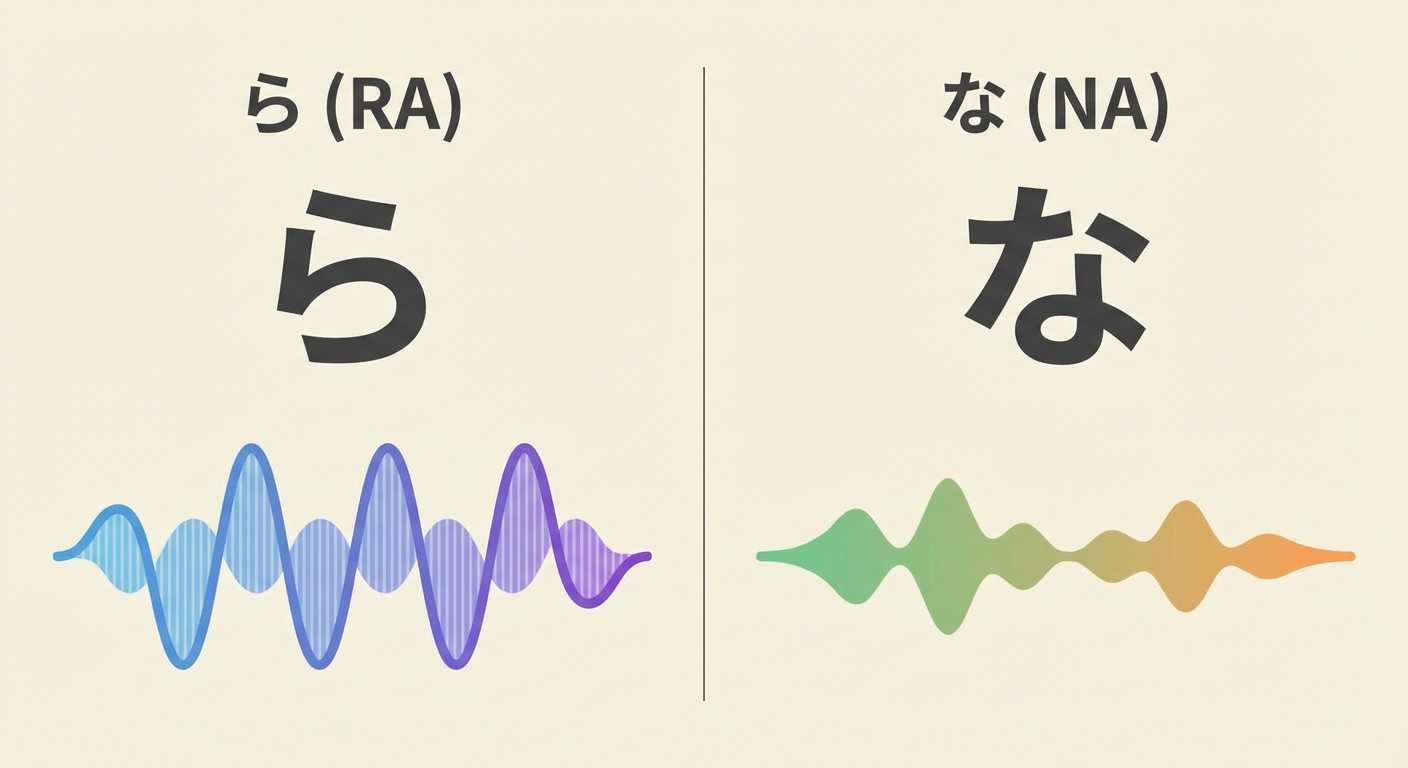
Minimal Pairs: ら vs. な (R vs. N)
Practice distinguishing and pronouncing the often-confused 'r' and 'n' sounds in Japanese.
Read →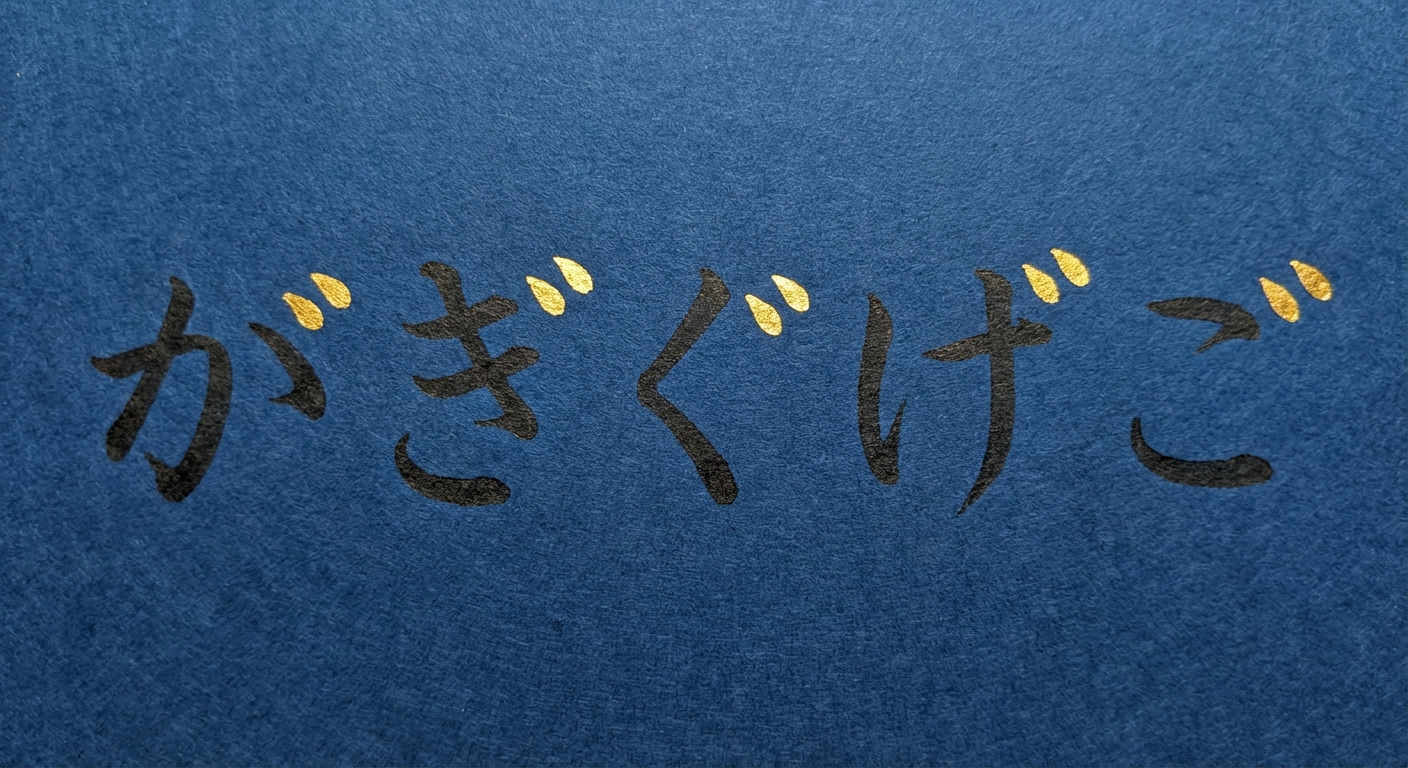
Voiced Sounds: が-row (G-sounds)
Learn the voiced counterpart to the か-row, marked by dakuten (゛).
Read →Comments
Add a comment
Recommended bundles for you
Structured study materials to accelerate your JLPT journey.